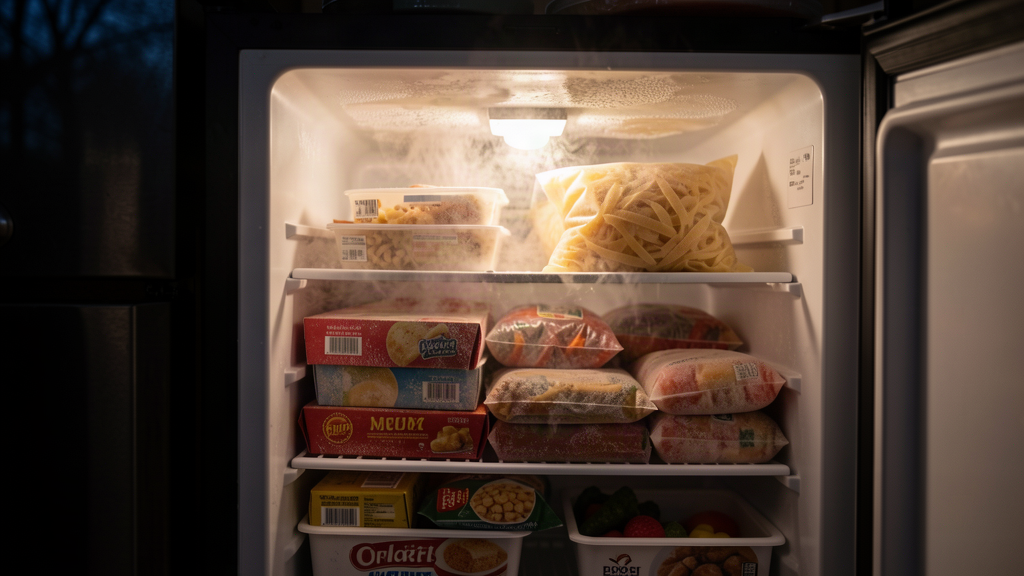
NEW YORK — The recall of bettergoods Authentic Italian Lemon Alfredo Fettuccine has now expanded to every lot code sold at Walmart, which means the frozen pasta at the center of this story is no longer a product. It is a mood, and the mood is: check the freezer.
The recall, announced by the FDA and expanded October 1, covers the lemon alfredo fettuccine because it may be contaminated with Listeria, the bacteria that health officials describe as “serious” and the internet describes as “the final boss of the freezer aisle.” The bags were sold nationwide, including at Walmart stores in every region, and because frozen food is bought to be forgotten, the real recall is happening right now inside approximately four million home freezers, behind the peas.
The lemon alfredo angle has made the story sing. A pasta that is both lemon and alfredo — two flavors that have never agreed on anything — has become the most discussed dinner of the week, and Americans have responded to the recall the way they always respond to a frozen-food emergency: by opening the freezer door, looking, closing the door, and opening it again in case the bag moved.
Experts note that Listeria is unusual because it can grow in the cold, which is the single most unsettling sentence in food safety, and means the recalled pasta may not have been sitting quietly in your freezer. It may have been thriving there, which is a word nobody wants applied to their dinner.
THE FREEZER AUDIT: WHAT AMERICANS ARE FINDING
- Bag one: the recalled fettuccine, purchased during a snowstorm, never cooked, deeply forgiven.
- Bag two: a chicken nugget from the previous administration, not recalled, legally questionable.
- Bag three: a frozen pizza with a best-by date that has become a philosophical question.
- Bag four: ice cream, exempt from all laws of God and man.
Walmart and the manufacturer have done everything right: the recall is broad, the language is stern, and the advice is simple — do not eat it, throw it out, get a refund. The nation is following this advice at its own pace, which is to say, slowly, because throwing away frozen food you bought in February requires confronting the person you were in February, and that person had no idea what they were doing.
At press time, grocery stores reported a nationwide surge in sales of fresh pasta, and a smaller but real surge in sales of freezers, as Americans decided the problem was not the fettuccine but the entire concept of keeping things.