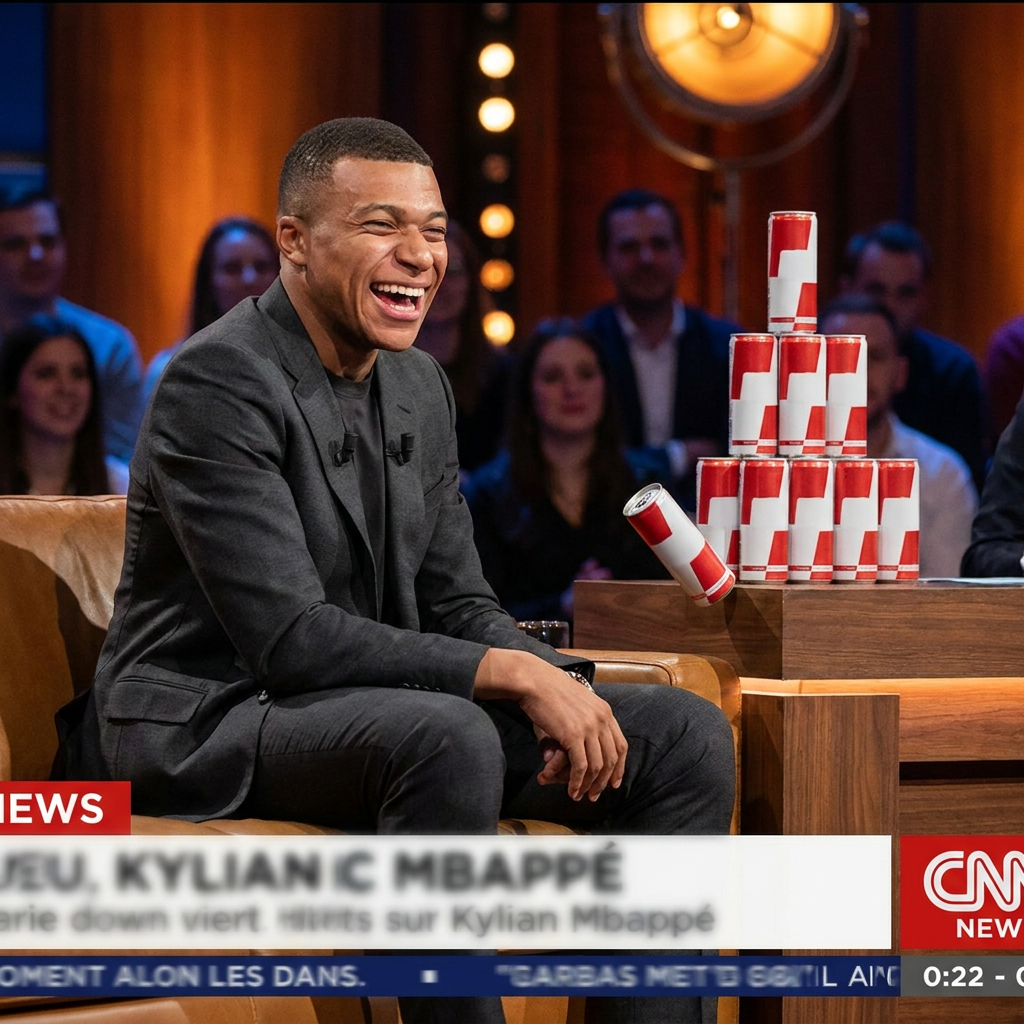
MADRID — Kylian Mbappé lost two Chinese sponsorship deals on Tuesday, a consequence, the brands said, of his handling of a joke.
The joke, for the record, had been running for months. Among soccer fans, Mbappé is nicknamed “the Dictator,” for the way he governs a match. The nickname traveled into the meme economy, where fans began pasting his face onto portraits of historical figures. One such meme reached a French late-night sofa, where a host asked the player which image makes him laugh the most.
“The one where they put my face on a Chinese dictator,” he answered, naming Mao Zedong in the clip that circulated this week. “That really makes me laugh, I use it with my friends all the time.”
By Tuesday morning, two major Chinese brands had ended their agreements with him, citing offense to national sentiment. One of them sells energy drinks, a product category whose entire marketing premise is that its consumer should be awake for what happens next.
The fallout followed the standard choreography of sponsorship collapses: the brands’ statements arrived first, formal and airless; the clip arrived second, forty-one seconds long and unrepeatable in a boardroom; and the risk analysts arrived third, using the phrase “joke exposure” as though it were in the insurance literature, which one analyst declined to confirm.
Marketing executives across two continents spent the day explaining the arithmetic to anyone who would listen. A global brand in China cannot survive the phrase “Chinese dictator” in the same mouth as its logo. The mouth did not have to mean anything. The mouth only had to exist, on camera, laughing.
“That’s the part people keep missing,” said Renata Vogel, an advertising consultant in Munich who has managed Asian endorsement portfolios for fifteen years. “They didn’t cancel him for the sentence. They canceled him for the laugh. A sentence you can restate. A laugh has a face. You can’t restate a face.”
Fans, meanwhile, did what fans do and located the actual scandal elsewhere. Within hours, threads argued that the show’s producer was the true villain, for asking the question in the only phrasing that made the answer dangerous; that the meme’s original author was a geopolitical mastermind; and that Mbappé’s crime, if any, was admitting he laughs like everyone else, in public, with subtitles.
His clubs and representatives spent the afternoon studying the statement, which was written in the style of statements: it used his full name twice and promised nothing.
The energy-drink contract was the bigger number. The tea deal remains under review, which in sponsorship language means the tea is deciding whether it has feelings.
Asked at training whether he regretted the answer, Mbappé reportedly declined to comment, which is the closest a man can come to shrugging while employed.