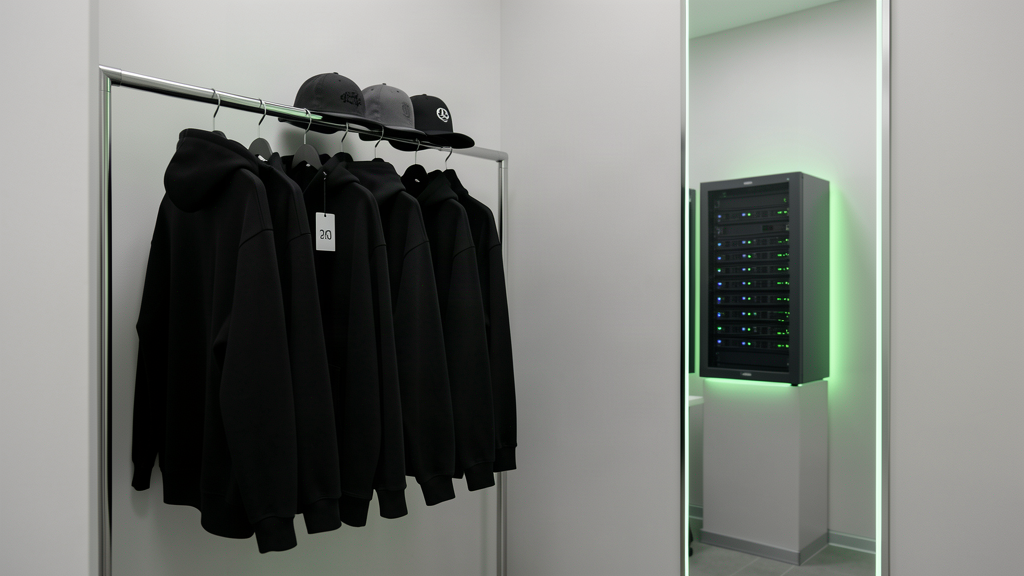
SAN FRANCISCO — Nvidia, OpenAI and Anthropic are all now selling their own limited-edition fashion lines, and the financial market for the result has developed, in the space of a few months, what economists are calling “a secondary transaction.”
A used OpenAI sweatshirt, acquired at a thrift store for less than $15, recently sold on a resale platform for nearly $250, according to PYMNTS’ accounting of the swag economy. Boxes of OpenAI Codex swag, including a hat, a hoodie and several small items, have changed hands for as much as $475. An authentic OpenAI employee T-shirt fetched $250. The company, which is in the process of valuing itself at one of the largest figures in the history of private enterprise, did not disclose whether the hoodie line generates a revenue line.
The phenomenon has prompted a small industry of people whose only job is to buy the merchandise when it is available and to hold it until it is not.
The BBC, which reported that the three companies have all launched limited-edition fashion lines, noted that OpenAI typically offers its branded clothing to employees and only occasionally puts it on general sale for a few days. Anthropic, the maker of the Claude chatbot, opened a temporary pop-up coffee shop in Manhattan’s West Village last year. None of the three companies commented on whether the apparel division is profitable, or whether it is, in any technical sense, a department.
A fashion professor at a New York design school described the strategy as familiar.
“It’s a very common strategy for brands to use,” the professor said. “It elevates the desirability.” When asked why the companies would do this, the professor said it appeared to be about “brand promotion and reputation management,” and that the companies “do not need the supplementary income streams.”
THE SECONDARY SWAG MARKET: AT A GLANCE
- Used OpenAI sweatshirt (bought at a thrift store, under $15): sold for ~$250
- OpenAI Codex swag box (hat, hoodie, small items): up to $475
- Authentic OpenAI employee T-shirt: $250
- Anthropic pop-up coffee shop: West Village, Manhattan, last year
- Comment from the companies on whether it is profitable: declined
A retail analyst with no firm, no client base, and a strong opinion described the development as “the natural end of a product that cannot be held.”
“You can’t hold a model,” the analyst said. “You can hold a hoodie. That’s the whole thing. That’s the entire business model.”
At press time, the hoodie line had not been audited, the resale platform had not commented, and the server rack in the fitting room had not yet been explained to anyone who did not already understand it.