NEW YORK — The Conference Board’s Consumer Confidence Index fell 6.7 points in September to 81.9, the lowest level since 2014, and the markets responded exactly as markets do when they are told the nation feels bad: by falling, then rising the next morning, which is how a market processes a feeling.
The number is not a forecast. It is a mood, measured with extraordinary rigor. The survey asks Americans how business conditions look today and how they expect them to look six months from now, and this month Americans answered, in large numbers, that they do not feel great. That is not an economic indicator. That is an honest statement, delivered on time, by a population that has been asked politely for twelve years and has finally given an answer.
The drivers, per the report, were fuel costs squeezing households and a Federal Reserve rate hike that lowered market expectations for further hikes — a contradiction the Conference Board handled with total professionalism by reporting both the squeeze and the relief in the same paragraph. Households grew more pessimistic about business conditions, jobs, and their own finances, three categories that together account for most of life.
And yet the index deserves praise. It is a survey of 5,000 households, conducted by mail, that has survived every administration since 1960 without once being accused of lying. When Americans say they feel bad, the index reports that Americans feel bad. Some say sentiment drives the economy. Others say the economy drives sentiment. The truth, as always, lies somewhere in a third position: the survey, which drives neither, and simply keeps asking.
THE SEPTEMBER MOOD, AT A GLANCE
- Index: 81.9, down 6.7 points, lowest since 2014.
- Sample: 5,000 households, all of whom answered honestly.
- Current conditions: pessimistic. Six-month outlook: more pessimistic.
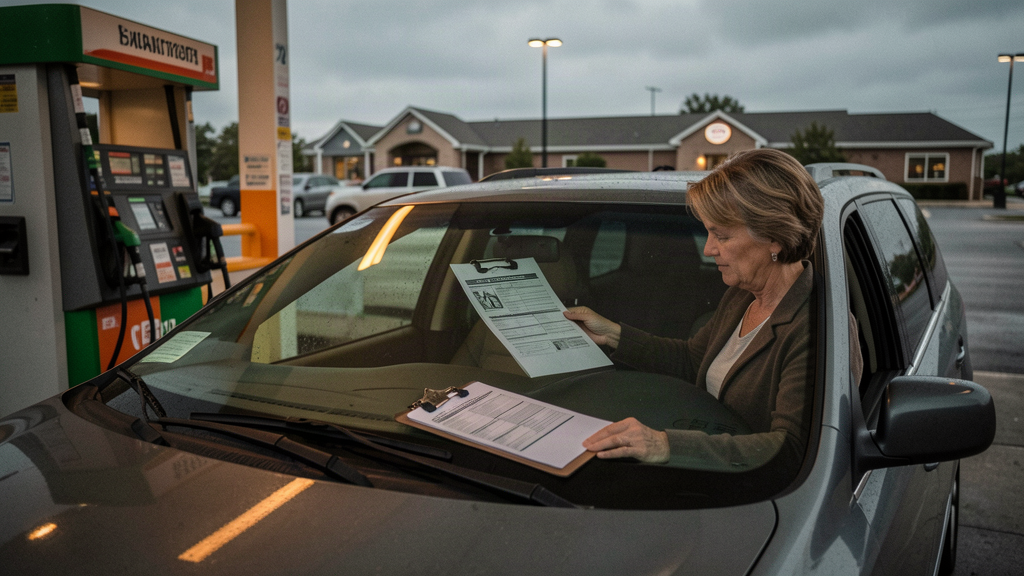
- Fuel costs: cited as the squeeze, by households at the pump.
- Midterms: one month away, and the party in power has already called its own position a panic.
At press time, Dow futures had risen ahead of the inflation report, suggesting the market had read the survey, disagreed with it, and continued trading anyway — the correct response, as has been well-documented, to any survey.