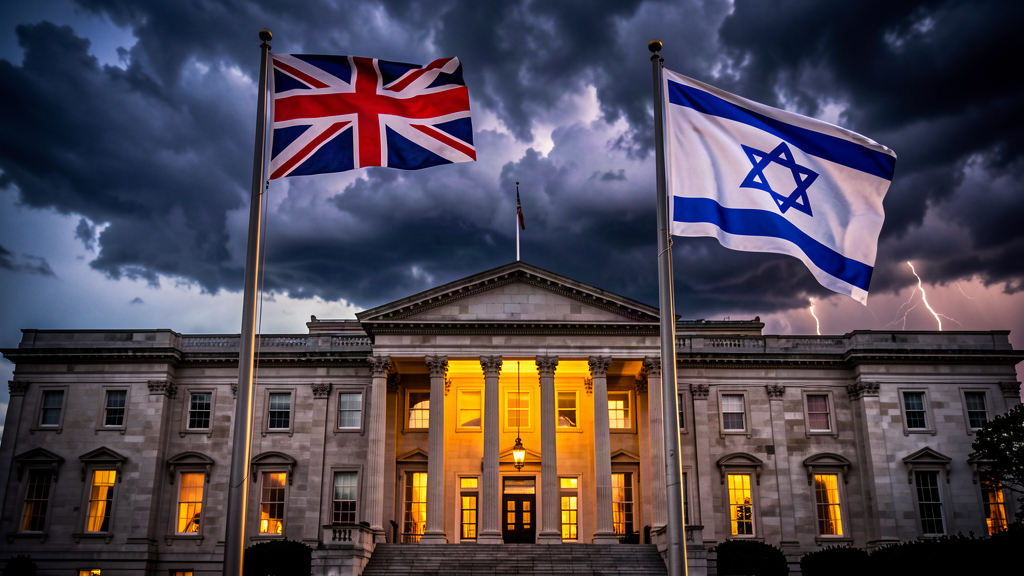
JERUSALEM — Israeli President Isaac Herzog went on television this week with a charge that every viewer in every democracy has heard before and never once gotten tired of: another country is interfering in our election. The interfering country, this time, is Britain, and the method of interference is sanctions on Israeli settlements, which Herzog called “unfair and politically motivated,” and which is, legally speaking, exactly what a politically motivated sanction is.
The election is in October. Prime Minister Benjamin Netanyahu is seeking another term. Britain, in the timing that can only be described as suspicious to absolutely anyone, imposed the sanctions shortly before Israelis go to the polls. “Speak with Israel before taking action against it,” Herzog told Europe’s capitals, which is the diplomatic phrasing of “call first, then do it,” a rule that applies to phone calls, dinner reservations, and sanctions packages alike.
Now, some people point out that Britain has been interfering in the politics of the Middle East for roughly a century, and that a country holding three continents’ worth of mandates in its filing cabinets has a very generous definition of the word “interfering.” Those people are missing the point. Herzog is not making a historical claim. He is making a procedural one: Britain acted, Britain did not call, and the order of operations is the offense.
ELECTION INTERFERENCE: A BRIEF HISTORY OF THE COMPLAINT
- The accusation: British settlement sanctions, timed near the October vote.
- The British position: The sanctions were about the settlements. (Nobody believes a sanction is about anything but the timing.)
- Herzog's ask: Consult Israel first. A reasonable request from a country that has watched every great power consult everyone else first for a hundred years.
- Precedent: Every nation on Earth has accused another nation of election interference. Britain's turn as the accused is, statistically, overdue.
The deeper lesson here is one Americans understand instinctively: a foreign government’s opinion about your election is only unwelcome when it is wrong. Had Britain imposed sanctions on the opposition’s favorite settlements, this story would be a press release, not a television address. The unfairness Herzog identified is not the interference. It is the direction.
At press time, the British Foreign Office announced it would henceforth impose all sanctions on Israel between 9 and 5 on weekdays, with two weeks’ written notice, so that no one could ever again accuse Britain of meddling. Israeli political scientists said the notice period would make sanctions meaningless. The Foreign Office said meaningless and polite were not the same thing, and that Britain would take the win.