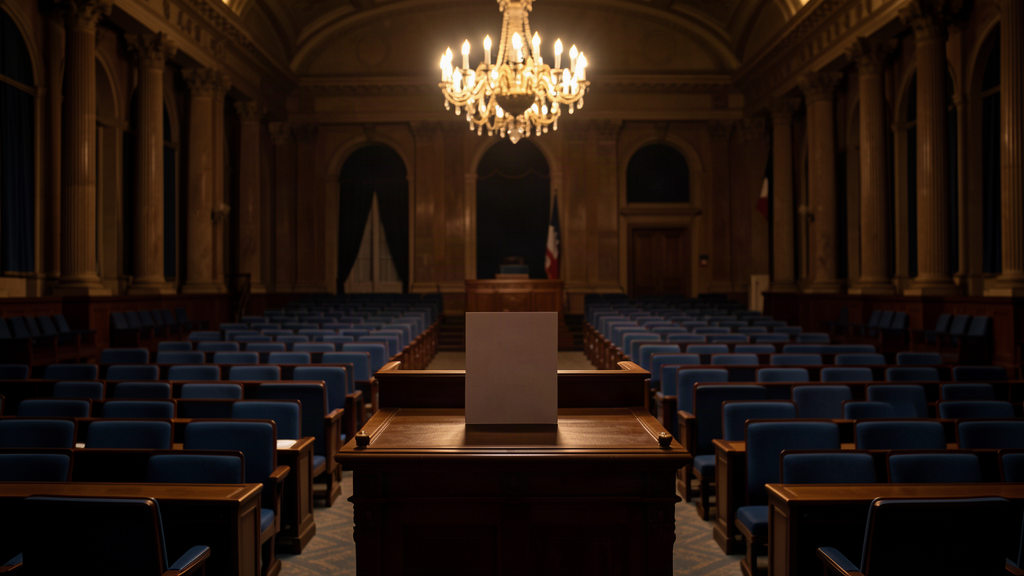
PARIS — France has a budget problem, a parliament problem, and a government problem, and this week, in the time-honored European fashion, it decided the responsible thing to do was to combine all three into a single document and see what happens. Prime Minister Sébastien Lecornu is presenting the 2027 budget, the Socialists have vowed to reject it before he finishes speaking, and everyone involved describes the moment with the exhausted pride of people who have been here so often they have started recognizing the furniture.
The numbers, briefly, because France deserves that much: the government projects that without new cuts the deficit would approach 6.5 percent of GDP, which is the figure European officials use the way doctors use the word “cholesterol” — technically a number, practically a lecture. The country’s borrowing costs have climbed to records France was supposed to be immune to, the kind of record set not by ambition but by accumulation.
And yet the real story isn’t the arithmetic. It’s the choreography. Last time France faced this exact cliff, the government forced the budget through and survived two no-confidence votes by a combined margin that could be described as a few dozen seats and a long afternoon. The opposition called it undemocratic. The government called it governing. Both sides then quietly agreed it had been a success, because in the Fifth Republic, surviving is the policy.
What makes this round genuinely new is the honesty about the deadline. Lecornu has already pushed France’s deficit-reduction target back a full year — the third delay in four years — which in normal institutions would end a career and in this one earned him a longer runway. He says he wants to stay in office until 2027 “without being ousted,” a career goal so honest it’s practically a confession, and one every French voter over the age of thirty understands the way sailors understand weather.
The Socialists’ plan is to vote the budget down, which they can probably do, and then face the choice every French opposition has faced for sixty years: bring down the government and trigger chaos, or let the budget pass and look soft. They have chosen, historically, to do both in the same afternoon.
Outside the Assemblée this week, the tradition continues undisturbed. Parisians walked past the gates, read the headlines on their phones, and — this is the part foreign correspondents never tire of reporting — mostly shrugged. France has not solved its budget problem, its parliament problem, or its government problem. It has achieved something rarer: it has made all three of them permanent, which is how you know they’re finally being managed.