The most consequential fistfight of the diplomatic year began, as most do, with a speech nobody was required to attend.
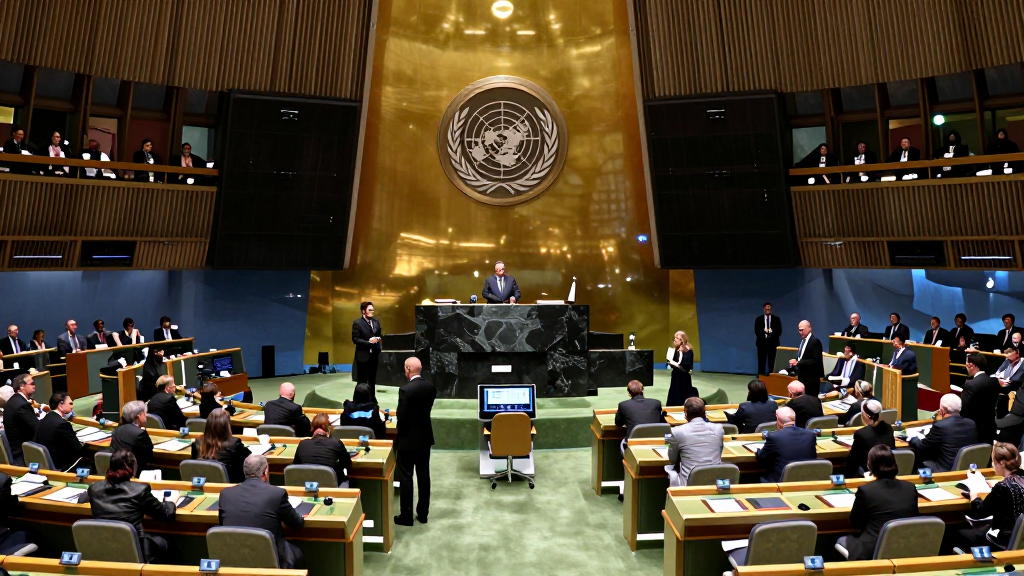
Tuesday, 2:15 p.m. — U.S. Ambassador Mike Waltz takes the floor of the U.N. General Assembly to defend the American embargo on Cuba, in a session preceding the body’s annual vote on a resolution against it. The Cuban delegation, which has attended this particular debate for more than three decades, objects to the speech loudly.
Tuesday, 2:40 p.m. — A screaming match breaks out on the assembly floor between Waltz and Cuban Foreign Minister Bruno Rodríguez Parrilla. Witnesses describe it as thorough. Both sides describe the other as the origin.
Tuesday, 2:47 p.m. — The moment the century has been waiting for: Cuba’s first secretary, Richard Tur de la Concepción, allegedly puts a hand on an American diplomat. Waltz later characterizes the action as having “shoved and tried to assault” him. The American diplomat, per subsequent legal filings, remains alive.
Tuesday, 11:00 p.m. — Waltz appears on American cable news to announce that Secretary of State Marco Rubio has already approved the diplomat’s expulsion. In diplomatic time, the paperwork was drafted while the shove was still warm.
Thursday — Rubio signs the declaration, the State Department confirms the diplomat “left after being told he was no longer welcome,” and Waltz is asked on television whether it is truly happening. “He’s gone,” he says. “He’s going to be on a plane.”
The speed is what observers keep returning to. The United States has debated the Cuban embargo since before some of the diplomats arguing about it were born. What it has rarely done is react to anything in under a legislative session. In less than 48 hours, a shove in a hallway produced a signed expulsion — a pace one European diplomat privately called “frankly embarrassing for the rest of us.”
Diplomacy, as a discipline, had not produced a genuine shove in living memory. Its revival has been met with awe.
The Cuban mission did not respond to requests for comment. Cuba’s foreign minister, who was also on the floor, and who also shouted, has not been accused of anything, a distinction his delegation stressed with what one aide called “exhausted emphasis.”
The annual embargo resolution passed the General Assembly on Wednesday, as it has passed nearly every year since 1992, with the usual overwhelming vote and the usual handful of objections. It changes nothing, which is perhaps what the shove was really about: six decades of procedure in a building where the loudest available weapon is a finger.
Back in the hall on Thursday, the seating chart had one fewer chair. The arguing continued exactly as if it had not.