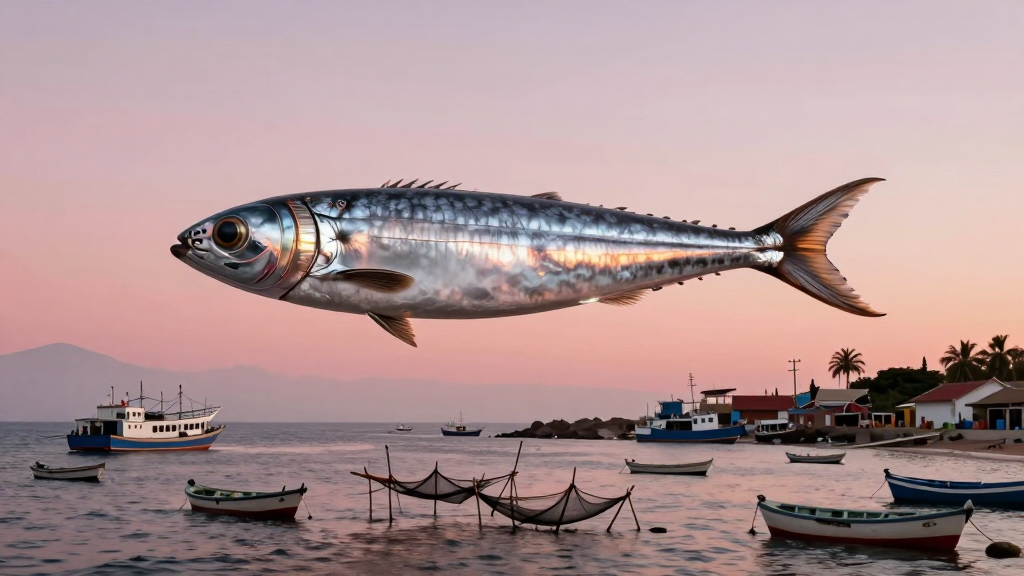
CALLAO, Peru — By 4 a.m. the purse seiners were already asleep at the dock. They still cast off for the morning, captains say, mostly for morale.
By 6 a.m., the weekly catch report was read at the fishmeal plant, and the number in it was familiar: down 99 percent from a normal July. Peru, which runs the largest single-species fishery on Earth, has officially canceled the second anchovy season of 2026, and the government has asked the ocean to take a number and wait.
By 8 a.m., the price of fishmeal — ground anchovy, the stuff that becomes chicken, salmon and the dry food in roughly half the homes in Ohio — was trading near $3,500 a ton, more than double last year’s price. By 10 a.m., a chicken farmer in the interior had been informed his feed bill had doubled and replied, correctly, that his chickens had been eating the Pacific Ocean for twenty years and now they would eat corn, and they would have opinions about it.
The fish, for the record, are fine. Peru’s ocean-science institute IMARPE located the schools without much trouble this year; they are simply farther down. Warm water from El Niño has pushed the anchoveta deeper, below the comfortable reach of the nets. The country has not run out of anchovies. It has run out of a ladder.
“We know where they are,” said an institute researcher, who had the tired calm of a man who has been explaining vertical distances to fishermen all week. “We have asked them to consider coming back up. They have not responded.”
The plant foreman at Callao, who has loaded fishmeal ships since before the current fleet existed, described the season’s contraction — and the tens of thousands of fishing jobs already lost this year — with the pragmatism of the industry. “The fish are in the same ocean,” he said. “The problem is altitude.”
At noon, a committee convened at the port office to draft a statement to the fishing towns. It was agreeable, encouraging, and three sentences long, and the third sentence promised that the government would continue monitoring the water, which everyone present understood to be the entire policy: Peru will watch the temperature very closely, and the chicken industry will do the rest.
By 6 p.m. the nets came down for the day. They were not wet.